

The clinical trial revolution, driven by the Internet of Things (IoT) and Digital Health Technologies (DHTs), is expanding globally. We're seeing a fundamental shift towards continuous, real-world data collection and patient-centric Decentralized Clinical Trials (DCTs). But as these innovations cross borders, how are key regulatory bodies like the FDA, EMA, and China's NMPA adapting, and what concrete examples show their stance?
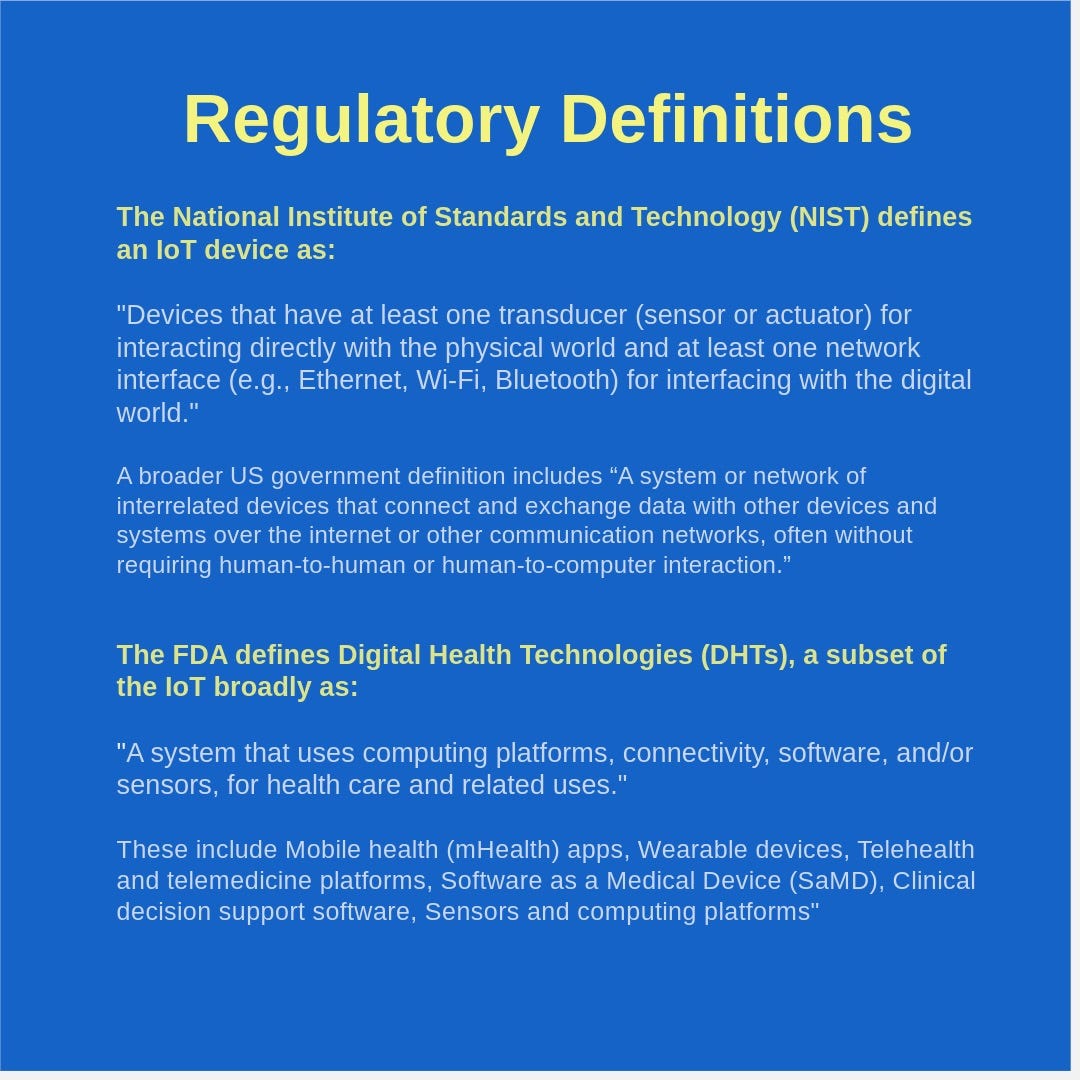
The Promise: IoT/DHTs offer richer data (vitals, activity, adherence), fuel-efficient DCTs, and enhance patient engagement.
The Global Regulatory Lens - Concrete Examples & Focus Areas:
U.S. FDA & PDCO (Pediatric Committee):
Core Focus: Continues to emphasize "Fit-for-Purpose" validation (ensuring a device reliably measures the right thing for the specific trial) and robust Data Security/Privacy, as outlined in their guidance.
Pediatrics (PDCO Considerations): While specific PDCO guidance on DHTs is evolving, the principles are clear: Devices must be child-friendly in design and usability. There's heightened scrutiny on validation in pediatric populations due to physiological differences and activity patterns. The 2024 ICH E11A guideline (adopted by FDA) on pediatric extrapolation highlights the need for robust data, where DHTs could play a role, but must be rigorously justified.
Example: The increasing acceptance of Continuous Glucose Monitors (CGMs) in diabetes trials (including pediatric arms) showcases the FDA's willingness to embrace validated DHTs that provide clear clinical value and meet data integrity standards.
European Medicines Agency (EMA):
Big Data & HTA Focus: Through its HMA-EMA Big Data Steering Group (active in 2024), the EMA is actively exploring mHealth data for regulatory decisions and working on new Health Technology Assessment (HTA) rules (effective Jan 2025) to streamline access, creating a pathway where robust DHT data can contribute.
Example (Landmark): The EMA's acceptance of Sarepta's SV95C (Stride Velocity 95th Centile) – a wearable-derived measure – as a primary endpoint for a Duchenne Muscular Dystrophy submission is a significant milestone, demonstrating clear precedent for DHT-based primary outcomes in Europe.
China's NMPA (National Medical Products Administration):
Embracing Modern Trials: Recent NMPA activity (2024-2025) shows a clear push towards modernization. They've issued guidelines on DCTs (especially for rare diseases, May 2024), updated clinical trial inspection requirements (March 2025), and are building frameworks for Real-World Evidence (RWE) and data protection.
Example: NMPA's 2024 guidance explicitly addresses Decentralized Clinical Trials for Rare Disease Drugs, including provisions for remote monitoring and electronic consent, directly opening the door for IoT/DHT use in these critical areas and signaling broader acceptance, provided data integrity and GCP standards are met.
The Path Forward:
While each agency has its nuances, the global direction is clear: DHTs are becoming integral. The challenges – validation, security, interoperability, and harmonization across regions – remain. However, the momentum, driven by successful examples and clear regulatory engagement, is undeniable. AI will further amplify the value of this data.
Navigating this global landscape requires a deep understanding and early engagement. What are your biggest questions about deploying IoT/DHTs in multi-regional trials?
#ClinicalTrials #DigitalHealth #IoT #GlobalRegulation #FDA #EMA #NMPA #MedTech