
Your Child Isn’t Being Difficult. Their Immune System Is Talking to Their Brain.
A physician’s guide to what food allergies actually do to children — the data most families never hear, the neuroscience behind food aversion, and where treatment is heading

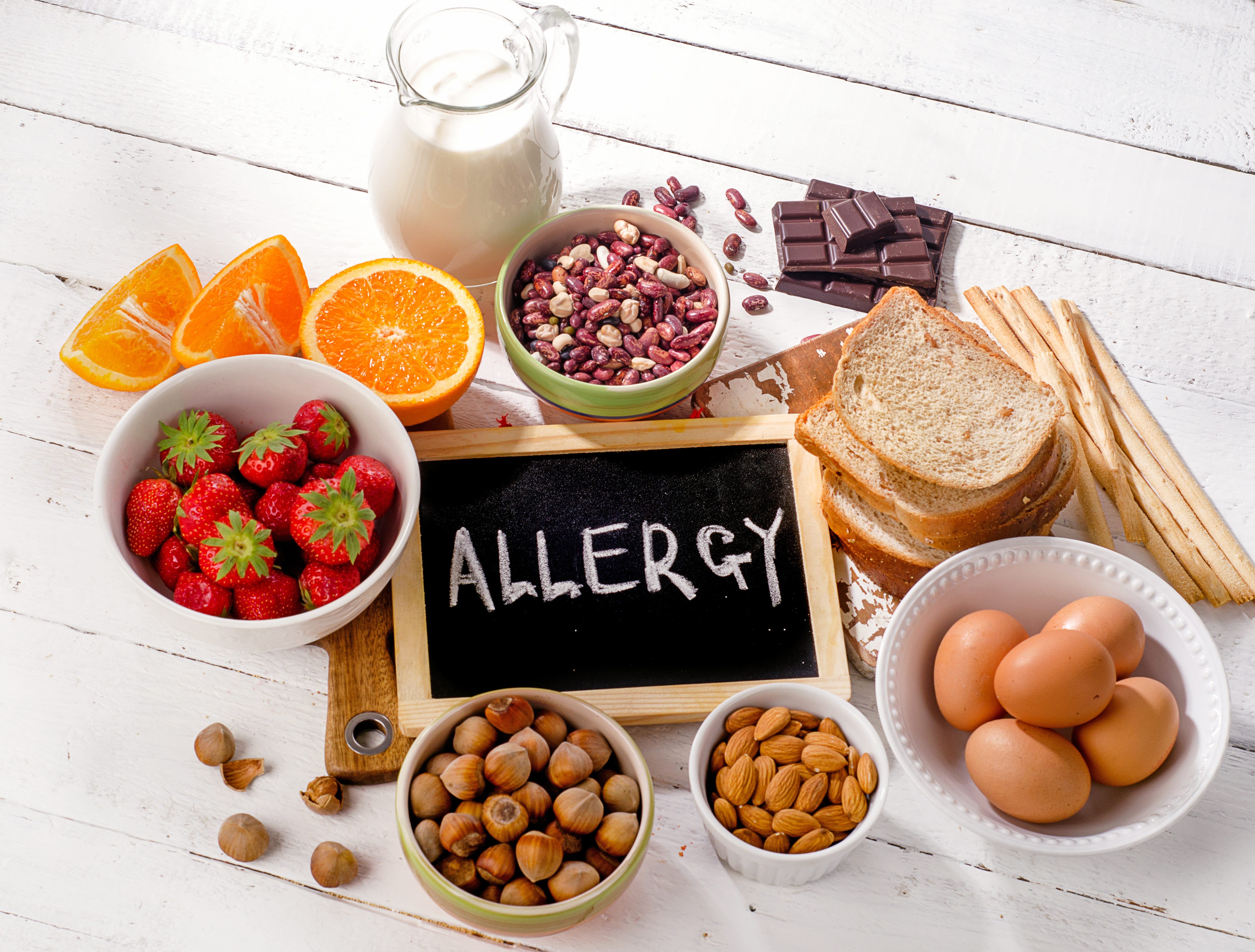
I want to tell you something that might reframe years of mealtimes.
That child who covers their nose when peanut butter is opened. The one who will only eat five foods. The one who can’t sit at the lunch table when someone opens a bag of tree nuts. Parents are told this is anxiety, or sensory issues, or pickiness, or bad behavior. Pediatricians sometimes say they’ll grow out of it. Therapists are brought in. Dietary elimination trials fail.
What almost nobody tells these families is that there is a body of scientific evidence — some of it published in Nature and Science within the last two years — suggesting that a food-allergic child’s immune system may be doing something we only recently understood: it is reprogramming the brain to avoid food.
Not metaphorically. Literally. Measurably. Through specific molecules, in specific brain regions, in ways that precede visible gut inflammation and classic allergic symptoms.
This is the story of that biology. It’s also the story of what food allergy actually does to children — their growth, their social lives, their mental health — and where treatment is going. If you are a parent managing a food-allergic child, or a clinician who sees them, this is the information I think you deserve to have.
First, a few numbers most people don’t know
Food allergy affects roughly 8% of children in the United States, according to CDC data. That is approximately 6 million kids. But here’s the number that quietly gets me every time I look at it: in a 2025 survey of families managing pediatric food allergies, more than a third of parents reported that their child’s allergy had caused them to miss school events, birthday parties, or class activities in the prior year. Not because of a reaction. Because of the fear of one.
The economic cost of pediatric food allergy in the US is estimated at $25 billion annually — roughly $4,200 per child per year. Most of that is not medical treatment. Most of it is dietary substitutions, specialty foods, and lost caregiver productivity.
Anaphylaxis hospitalizations in children increased 150% between 2000 and 2019. About 40% of food-allergic children have had a severe reaction — meaning anaphylaxis — before they receive proper diagnosis and management. The diagnosis often comes after the crisis.
And food allergy is not equally distributed. Black children have substantially higher rates of food allergy-related emergency department visits than white children, even after controlling for income, education, and access to care. Urban children have nearly double the food allergy prevalence of rural children — 9.8% versus 6.2% in US studies. Why? The short answer is we don’t fully know. The longer answer involves the microbiome, farm animal exposure, vitamin D, and something called the hygiene hypothesis — but that’s a separate piece.
One more piece of epidemiology I find remarkable: perceived food allergy prevalence is consistently higher than actual diagnosed prevalence. Studies across Europe show self-reported rates of 10–30% but physician-confirmed rates well under 5%. This matters because children are sometimes placed on elimination diets unnecessarily — with real nutritional consequences — based on family perception rather than confirmed allergy testing.
Where allergies actually start — and it is not where you think
The gut is not the beginning of this story.
For decades, food allergy was framed as a gastrointestinal problem. You eat something, your immune system overreacts in the gut, symptoms follow. It made a certain intuitive sense. But the evidence has been building since the mid-2000s, and by now it’s fairly settled: for many children, the journey to a food allergy begins not in the digestive tract, but on the skin.
This is the dual allergen exposure hypothesis, and it has significant evidence behind it. The basic concept is this: when a child is exposed to a food allergen through an intact gut — during normal feeding — the immune system usually builds tolerance. But when that same allergen enters through a damaged or compromised skin barrier, the immune system does the opposite. It treats the protein as a pathogen. It builds IgE antibodies. It primes mast cells. It learns to react.
The ALSPAC birth cohort study in the UK tracked thousands of children and found that peanut allergy in preschoolers was independently associated with topical exposure to peanut allergen — specifically through application of creams containing peanut oil on inflamed skin during the first six months of life. A separate study found elevated risk of IgE-mediated wheat allergy linked to skin and hair products containing hydrolyzed wheat protein. The peanut never needed to be eaten to sensitize the child. Contact with the skin was enough.
The gene at the center of this is filaggrin (FLG). Filaggrin is a protein that holds the outer skin barrier together. Loss-of-function mutations in FLG — carried by roughly 10% of people of European descent — dramatically increase the risk of eczema, and downstream, food allergy. When the skin barrier leaks, airborne food particles and proteins in skincare products get in. The immune cells waiting just beneath the epidermis — Langerhans cells, mast cells, dendritic cells — see those proteins. And in the context of skin damage and inflammatory signals called alarmins (TSLP, IL-33, IL-25), they learn to regard them as threats.
About 30% of children with moderate-to-severe eczema also have coexisting food allergies. That figure is not a coincidence. Eczema is often the first stop on what immunologists call the Atopic March.
The Atopic March: a map of what happens to these children over time
The Atopic March refers to the typical progression of allergic disease from infancy through childhood and beyond. It generally moves like this: eczema first, often in infancy. Then food allergy, usually by age two or three. Then asthma. Then allergic rhinitis. One condition doesn’t necessarily cause the next — the relationship is partly causal, partly due to shared genetics, partly due to shared immune dysregulation. But they travel together with striking regularity.
A quarter of children with eczema transition to at least one other allergic phenotype. One in five develop multimorbidity — all three conditions together.
What’s interesting — and somewhat counterintuitive — is that the march doesn’t always end in childhood. A longitudinal birth cohort from the Isle of Wight followed participants for 18 years. They found that food allergies resolved during early childhood for many children (about two-thirds of peanut, egg, and sesame allergies resolved between ages 1 and 4 in one cohort). But then there was an uptick in new food allergy sensitization in the teenage years, resulting in higher prevalence at age 18 than in mid-childhood. This pattern is not well understood. Adolescent-onset food allergy is underrecognized, and it may explain why some teenagers who had apparently outgrown allergies report new reactions.
What the immune system actually does when a food allergen is ingested
Here is the molecular sequence, as concisely as I can put it.
Sensitization has already happened — at the skin, or possibly at an early mucosal exposure. IgE antibodies against the allergen are now circulating. They have bound to high-affinity receptors (FcεRI) on mast cells throughout the gut wall. The gut is primed.
When the allergen arrives — in a meal, in trace contamination, in a food that shares proteins with the sensitizing food — it crosses the gut epithelium. It finds those IgE-coated mast cells. It crosslinks the IgE receptors. Within seconds, the mast cells degranulate.
Here is where a 2025 study from Yale, published in Science, overturned a fundamental assumption about what happens next.
The classic model said: mast cells release histamine, histamine causes symptoms, therefore antihistamines should help. But that study found that intestinal mast cells are a distinct subtype from connective tissue mast cells elsewhere in the body. They take their cues from neighboring epithelial cells. And those cues shift their behavior dramatically: intestinal mast cells make relatively little histamine. They ramp up production of cysteinyl leukotrienes instead.
Scientists found that when an allergen is ingested, gut mast cells respond differently from mast cells elsewhere in the body — producing cysteinyl leukotrienes rather than histamine, a finding that helps explain a long-standing puzzle: why IgE antibody levels do not reliably predict food allergy risk, and why food-specific antibodies in the blood are a poor guide to severity.
This is why antihistamines — loratadine, cetirizine, diphenhydramine — don’t stop food-induced anaphylaxis. They block histamine receptors. But the gut is running on leukotrienes.
Mice genetically deficient in cysteinyl leukotriene synthesis were protected from oral antigen-induced anaphylaxis, while those treated with zileuton, a drug already approved for asthma, showed similar protection. This has immediate clinical implications that are now being studied.
Astonishing finding: food aversion is the immune system working
Let me tell you about a 2023 paper in Nature that I think is one of the most underappreciated findings in allergy research in years.
The question the researchers asked was this: if food allergies are so dangerous, does the body develop any behavioral defense against eating the offending food? The answer, it turns out, is yes. A precise, molecular, neurologically-mediated one.
Using mouse models of food allergy, researchers showed that allergic sensitization drives antigen-specific avoidance behavior. Allergen ingestion activates brain areas involved in the response to aversive stimuli — including the nucleus of the tractus solitarius, the parabrachial nucleus, and the central amygdala. Allergen avoidance required IgE antibodies and mast cells, but — crucially — it preceded the development of gut allergic inflammation.
Read that last clause again. Food aversion develops before visible gut inflammation. The brain gets the signal first. And the signal comes not from histamine — blocking histamine receptors had no effect on aversion — but from cysteinyl leukotrienes and a molecule called GDF15 (growth and differentiation factor 15), which is known from other contexts as a signal of cellular stress and tissue damage.
The working hypothesis the researchers proposed is this: allergen is sensed in the gut mucosa through allergen-specific IgE on tissue-resident mast cells. Those mast cells release cysteinyl leukotrienes, which mediate GDF15 secretion, which signals the brain through pathways we don’t yet fully understand — but that activate the same neural circuits involved in disgust, nausea, and fear learning.
The child who refuses to eat eggs after one bad reaction is not being dramatic. Their immune system has updated the brain’s threat model. The brain now treats that food as a poison.
This may also help explain something I see in clinic that has never had a satisfying explanation: children with food allergies sometimes develop aversion to safe foods — foods they have never reacted to, foods that don’t share proteins with their allergens. The theory is that repeated experience of nausea and distress during meals, driven by sub-clinical immune activation, generalizes. The whole act of eating becomes threatening. Food becomes suspect.
Food aversion, ARFID, and the disorder hiding in plain sight
Which brings me to ARFID.
Avoidant/Restrictive Food Intake Disorder is a feeding disorder characterized by extreme selectivity — not driven by body image concerns, not by fear of weight gain, but by fear of adverse food reactions, sensory aversion, or near-complete disinterest in eating. It was added to the DSM-5 in 2013, replacing the older, narrower category of “feeding disorder of infancy and early childhood.”
A study involving 54 children with food allergies who were patients at a food allergy clinic found that more than half met the criteria for probable ARFID. More than half. In a population that, by definition, already has a medically justified reason to avoid certain foods.
This matters because there’s a diagnostic trap here. When a child with, say, a peanut and tree nut allergy also refuses milk, eggs, berries, chicken, and everything except white rice and plain pasta — clinicians may attribute all of it to the known allergy. The genuine ARFID component is missed. Nutritional deficiencies follow. Growth is affected.
Children on allergen elimination diets showed more picky eating and feeding problems overall, with picky eating linked to lower weight-for-age z-scores, food refusal, constipation, and anticipatory gagging.
And the relationship runs in both directions. ARFID can predate a food allergy diagnosis — and having ARFID-like behaviors may actually complicate food challenge testing, because a child who is already highly aversive is harder to evaluate.
Children with food allergies often show heightened anxiety about eating and a tendency to avoid new or potentially allergenic foods — patterns that mirror the restrictive eating seen in ARFID. The constant vigilance required to avoid allergens can lead to heightened anxiety and fear around food, increasing the risk of developing ARFID.
What I wish more families knew: this is treatable. ARFID in the context of food allergy is not a character flaw or a parenting failure. It has a neurobiological basis that we now understand much better than we did five years ago. Cognitive behavioral therapy adapted for food allergy ARFID (CBT-AR) has shown that after 12 weeks, 85% of children achieve meaningful improvement in food variety and anxiety reduction. Specialized feeding clinics that start with children eating an average of three foods regularly get them to 19 foods after intensive therapy. These are real, achievable changes.
Facts about food allergy that most families — and some clinicians — don’t know
Let me take a brief detour from mechanism to give you the kind of trivia that genuinely matters.
1. Peanuts are not tree nuts. Botanically, peanuts are legumes — in the same family as lentils, peas, and soybeans. A child allergic to peanuts has about a 25–40% chance of also being allergic to tree nuts, but the allergy is to a different protein family. Managing a peanut allergy does not automatically mean a tree nut allergy, and vice versa.
2. The top nine allergens now include sesame — and the addition changed menus overnight. In 2023, sesame became the 9th major allergen in the US under the FASTER Act. This created an unexpected problem: manufacturers who had been using sesame as a “hidden” ingredient were now required to declare it. Some reformulated to add sesame intentionally so they could label it overtly — which suddenly exposed allergic consumers who had previously been able to eat those products safely. This is still an ongoing controversy.
3. Milk allergy and lactose intolerance are completely different conditions. Lactose intolerance is a digestive issue — absence of the enzyme lactase. No immune system involvement, no IgE, no anaphylaxis risk. Milk allergy is an immune response to milk proteins (casein, whey). A child with true milk allergy can have anaphylaxis from a trace of dairy. A child with lactose intolerance just has gastrointestinal discomfort. Treating them the same way is a medical error.
4. About 20% of peanut allergies resolve naturally by early adulthood. Roughly 80% of egg allergies do the same. Milk allergy also resolves in most children who develop it in infancy, usually by age 5. Shellfish and tree nut allergies, on the other hand, rarely resolve. Persistence rates for those are over 90%. The natural history varies enormously by allergen and by the severity of the initial sensitization.
5. IgE level does not predict reaction severity. This surprises patients every time I explain it. A child with a sky-high peanut-specific IgE may have only mild symptoms on challenge. A child with a low IgE may have anaphylaxis. The relationship is statistical, not deterministic. Skin prick test wheal size and IgE titer help guide clinical decision-making but they are not oracles.
6. The threshold dose for reaction varies by 1,000-fold between individuals. Some children react to a fraction of a milligram of peanut protein. Others can tolerate hundreds of milligrams before they react. This is why blanket “may contain” warnings are so hard for families to navigate — and why some families make reasonable risk-adjusted decisions to eat products with precautionary labeling while others cannot.
7. Urban children have nearly double the food allergy rate of rural children. Urban US children: 9.8% food allergy prevalence. Rural US children: 6.2%. The “farm effect” — regular exposure to barn animals, unpasteurized milk, diverse microbial environments — appears genuinely protective. This fits with the hygiene hypothesis and the biodiversity hypothesis of allergy, which suggests that reduced microbial diversity in the modern gut microbiome impairs immune regulation.
8. Food allergy prevalence differs by geography in ways that map to diet, not just genetics. In North America and Northern Europe, peanut and egg allergies predominate. In Asia, shellfish and fish allergies are more common. This is not purely genetic — it reflects which foods are introduced early, in what form, and in what cultural context. The LEAP trial (Learning Early About Peanut Allergy) found that introducing peanut early — in the first year of life, before age 11 months — reduced peanut allergy by 81% in high-risk infants compared to avoidance. We spent decades telling parents to avoid peanuts in infancy. We were wrong.
The treatment landscape, honestly
There are currently two FDA-approved treatments for food allergy.
Palforzia (2020): a characterized peanut protein powder used for oral immunotherapy (OIT) in children aged 4–17 with peanut allergy. The goal is desensitization — not a cure, but an increase in the threshold dose required to trigger a reaction. This gives families a meaningful safety buffer. The catch: OIT requires daily dosing, strict adherence, and can itself cause reactions. About 10–15% of patients discontinue due to adverse effects. Sustained unresponsiveness — the ability to tolerate peanut even after stopping regular exposure — occurs in a minority.
Omalizumab (Xolair) (2024 new indication): originally approved for allergic asthma and chronic urticaria, omalizumab was approved in 2024 for IgE-mediated food allergy in patients 1 year and older. It works by binding free IgE in the blood before it can attach to mast cells. In the OUtMATCH trial, 67% of omalizumab-treated patients were able to tolerate at least 600 mg of peanut protein without a dose-limiting reaction, compared to 7% in the placebo group. Similar results held for milk, egg, and cashew. Omalizumab does not cure the allergy. It raises the threshold and buys time for OIT or reduces risk of accidental exposure reactions. But for a child with multiple food allergies who cannot complete OIT — it is a real, meaningful option.
What’s coming: targeting the cytokine pathways upstream. Dupilumab (anti-IL-4Rα), already approved for atopic dermatitis and asthma, is in trials for food allergy and for preventing the Atopic March in infancy. The idea is to interrupt sensitization before it solidifies. Blocking IL-9, which drives mast cell expansion in the gut, is an active research target. And — given the 2025 Science data — drugs that block leukotriene production or receptor binding are now being seriously evaluated for food allergy, rather than just asthma.
The gut microbiome is also a therapeutic target. Fecal microbiota transplantation (FMT) combined with peanut OIT is in clinical trials. The microbiome connection is strong enough epidemiologically — formula-fed infants, C-section births, early antibiotic courses all increase allergy risk — that manipulating it therapeutically is a reasonable hypothesis. We don’t have outcomes data yet. But the mechanistic case is there.
And then there is skin barrier intervention. Several trials are now examining whether aggressive moisturization in the first weeks of life — before the skin barrier has a chance to be disrupted — can reduce the rate of sensitization through the skin. The PEBBLES pilot study found trends toward reduced food sensitization at 12 months in infants treated with emollients five or more days per week. Larger trials are ongoing. The concept is elegant: fix the door before the trespasser gets in.
What this means at the dinner table
I am aware that everything I’ve described above — the leukotrienes, the ALOX5 pathway, the cysteinyl mediators — is a long way from Wednesday night dinner with a child who won’t eat.
So let me translate it.
If your child has food allergy and also has food aversion that seems disproportionate — refusing safe foods, gagging at smells, meals that are battles — please take it seriously as a distinct clinical problem. It is not manipulation. It is not anxiety for no reason. There is a molecular basis for that child’s relationship with food, and it can be addressed.
If your child is on an allergen elimination diet and their weight gain has slowed, or they’ve started refusing foods they used to eat, or mealtimes are consistently distressing — these are signs to escalate, not wait out.
If you’re a parent modeling anxiety at mealtimes — constantly checking labels with visible stress, tasting everything before your child, rehearsing emergency protocols in front of them — that anxiety communicates. The data on parent behavior and ARFID risk is consistent: children take cues. Calm, matter-of-fact allergen management paired with a rich relationship with safe foods is the target.
And if you have been told your child just needs to “try harder” or “stop being dramatic” about food — I want you to know that’s not what the science says. The science says that an allergic child’s brain has been trained, by their own immune system, to treat certain foods as existential threats. That is a medical condition. It deserves medical attention.
Where I think this goes
The next decade in food allergy is going to be about prevention more than treatment. The signals are there.
We know sensitization starts at the skin. We know the window for primary prevention may be the first weeks and months of life — before the immune system has locked in its responses. We know that early dietary introduction of common allergens reduces allergy risk substantially. We know that maintaining gut microbial diversity appears protective. We know that skin barrier repair may interrupt the Atopic March before it starts.
None of this means we’ll eliminate food allergy. But moving even part of the burden from management to prevention would change the lives of millions of families who currently spend their days reading ingredient labels, carrying epinephrine, and fielding calls from school nurses.
I think about the families I see in clinic. I think about the child who ate at the lunch table alone because the cafeteria was too risky. The teenager who stopped going to birthday parties. The parent who hasn’t taken a vacation in four years because foreign kitchens are too unpredictable. These are not small inconveniences. They are the texture of a life shaped around an immune error.
The biology behind that error is now more understood than at any point in history. The treatments are improving. The prevention framework is being built.
That doesn’t fix this week’s dinner. But it means the trajectory is going somewhere better.
If you found this useful, share it with a family managing food allergy. The most dangerous myth in this space is that nothing can be done.
Sources: Nature (2023), Science (2025), Frontiers in Immunology (2025), NCBI StatPearls (2025), Journal of Allergy and Clinical Immunology, CDC NCHS Data Brief, World Allergy Organization Journal, ScienceDaily, Begin Health/ERC clinical reviews.