

Juneteenth is a day for reflection and understanding for all Americans so that we may strive to be better citizens and a better society. Juneteenth is not about grievences– rather it is about how, as an imperfect country, we learn from the past, reinforce the principles behind the emancipation proclamation. It can also be a day of reflection on why we have poor African American participation in clinical research.
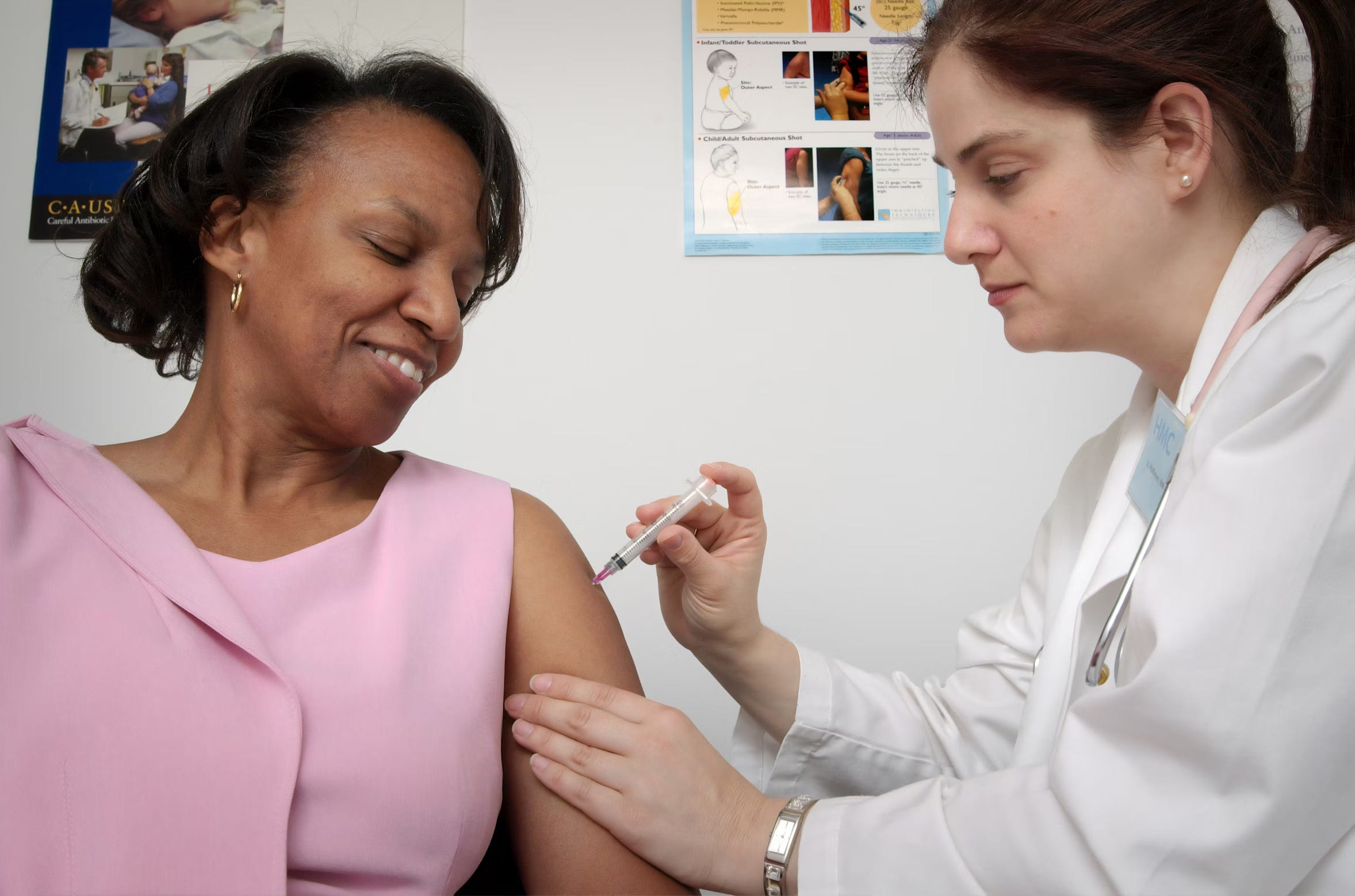
If African Americans are supposed to be deeply suspicious and distrustful NIH funded clinical research due to the dark legacy of racism, why do they not have any hesitancy in enrollment in US military ? After all, patriotism, like volunteeering for clincial research, is based on the core value/attitude of altruism.
The Military Success Story:
Look at the U.S. Armed Forces. African Americans are actually overrepresented there. Their 14% share of the U.S. population jumps to 18% of the active-duty military force. In the Army, it's even higher: 21%.
This wasn't accidental. It's a story of intentional policy, like President Truman's Executive Order 9981 in 1948. It's about deep community presence. Recruiters are in schools. They're at job fairs. They offer clear career paths and real benefits. It works.
The Clinical Research Conundrum:
Now, shift your gaze to clinical trials where African Americans are critically underrepresented. Despite being 14% of the population, a 2020 FDA report reveals they make up only 8% of all research participants.
This gap widens in specific areas. In oncology trials (2010-2021), Black patients were just 8.5% of participants. Prostate cancer hits Black men disproportionately hard. Yet, in trials leading to FDA approval, their participation-to-prevalence ratio was a meager 0.18.
The issue extends beyond oncology. Consider Systemic Lupus Erythematosus (SLE) which disproportionately affects African American women, both in frequency and severity. Yet, enrollment in immunology and inflammation trials for conditions like SLE frequently fails to reflect this demographic reality, hindering our ability to truly understand and treat these complex diseases across all affected populations.
What Can We Learn?
This isn't just about statistics. It highlights fundamental flaws in our approach. It's about how we build trust. It's about systemic barriers.
Are the clear pathways and tangible benefits of military service—stable employment, healthcare, education—the missing pieces in research?
Is the clinical research enterprise truly failing to acknowledge its past? Are we not addressing current inequities, letting perceived risks outweigh potential personal benefits for a community with valid grievances?
Are we simply not showing up where it counts? Are we missing the genuine understanding and resources needed to foster authentic participation?
We defend our nation together. Now, we must advance medical science together. This isn't just a goal; it's a profound necessity for true health equity.